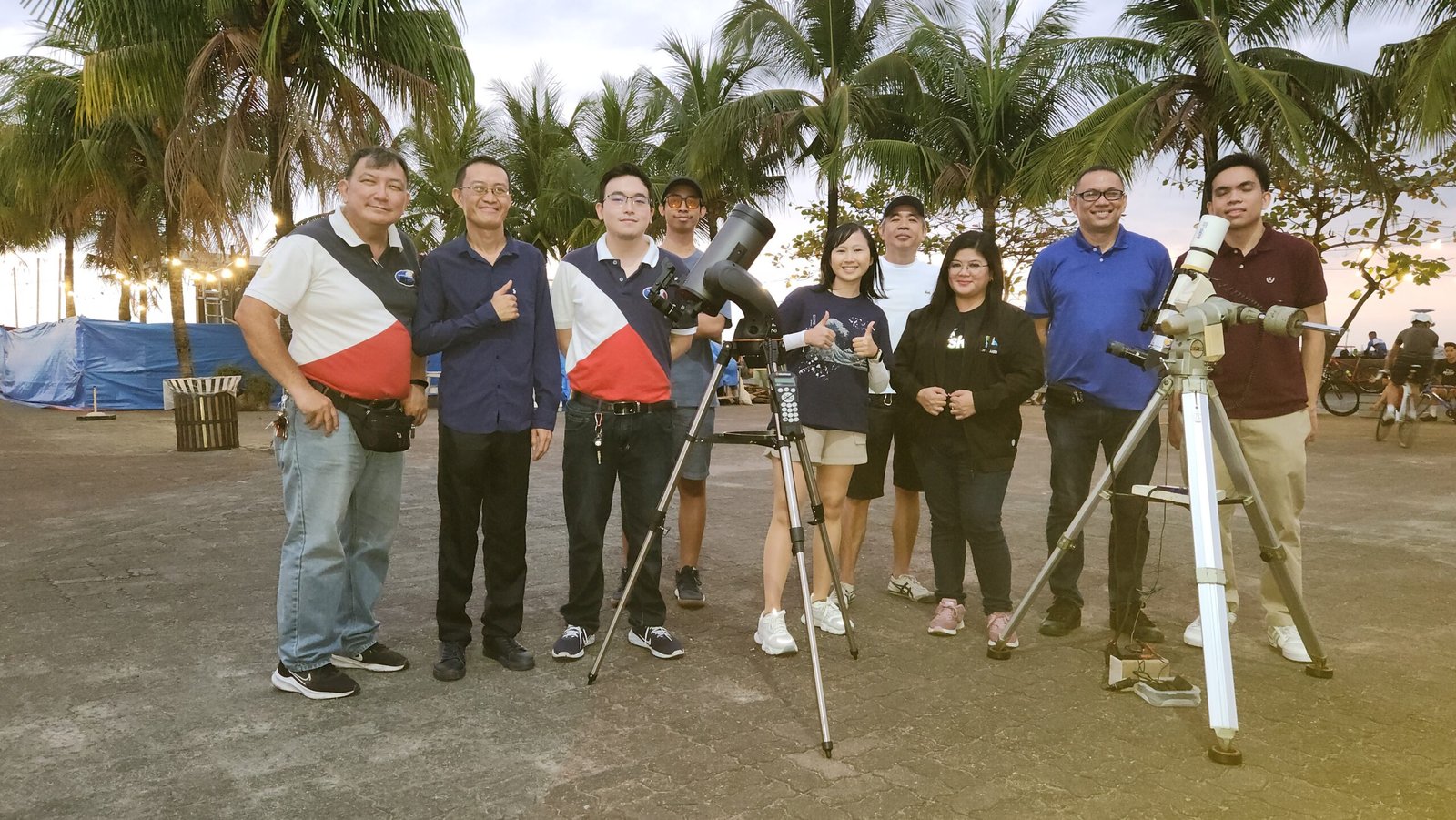
February 18, 2024 ALP Free Telescope Viewing at SM MOA SMBY near Viking’s

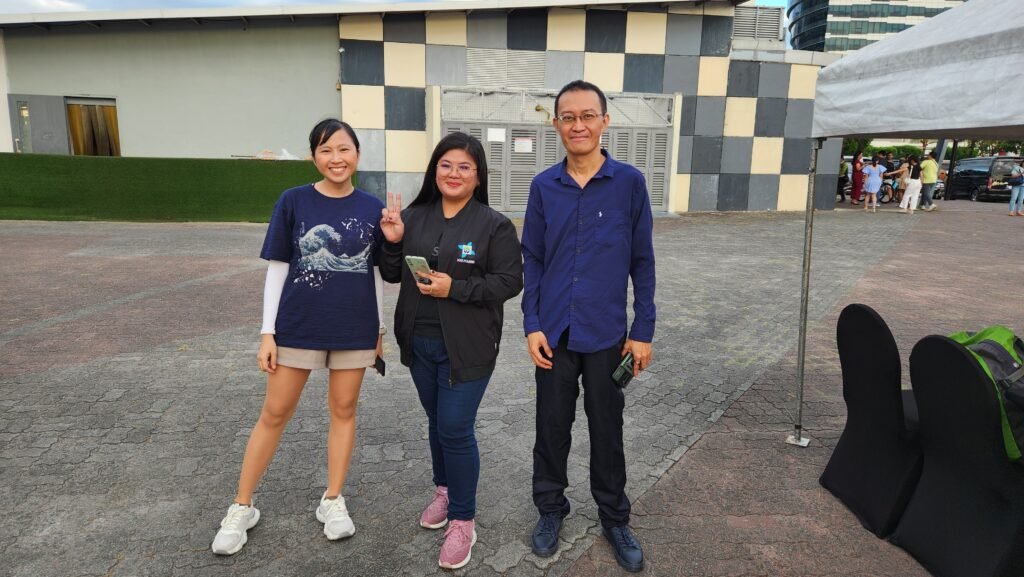
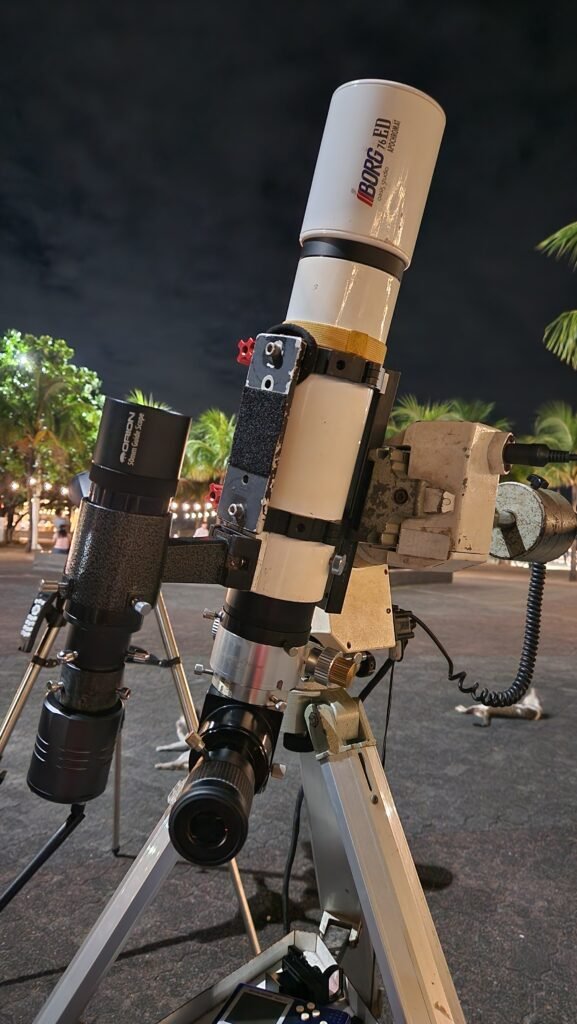
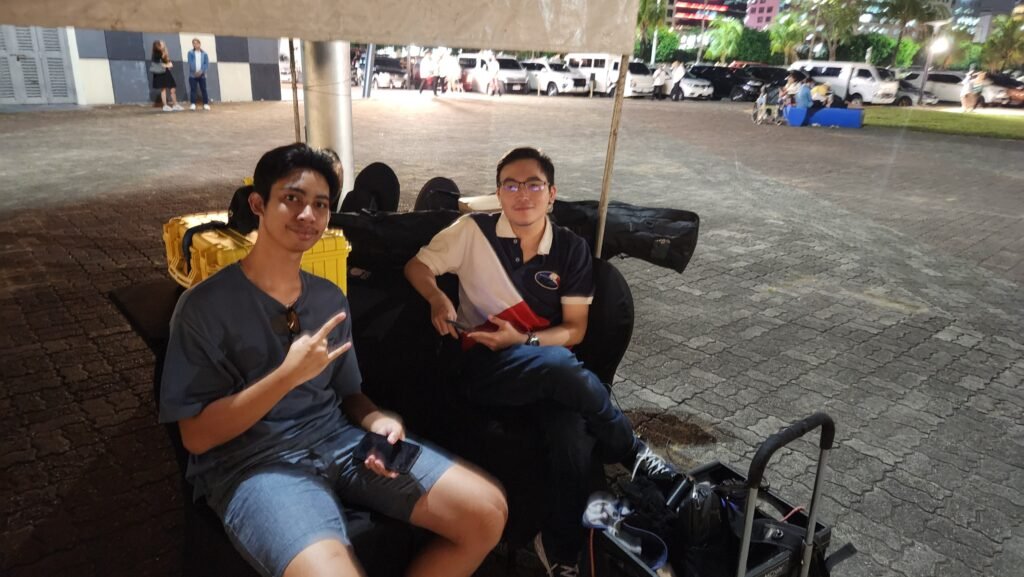
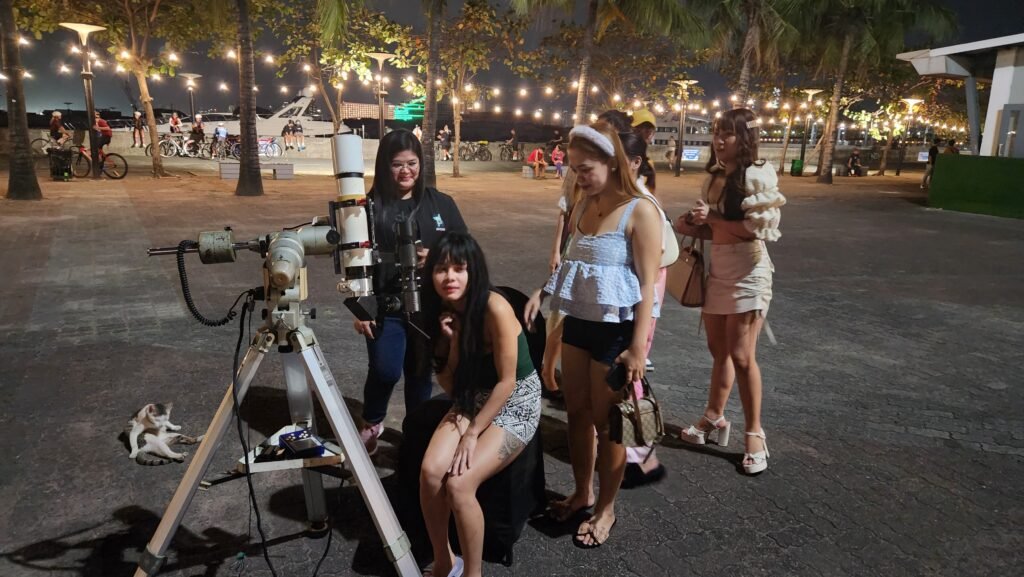
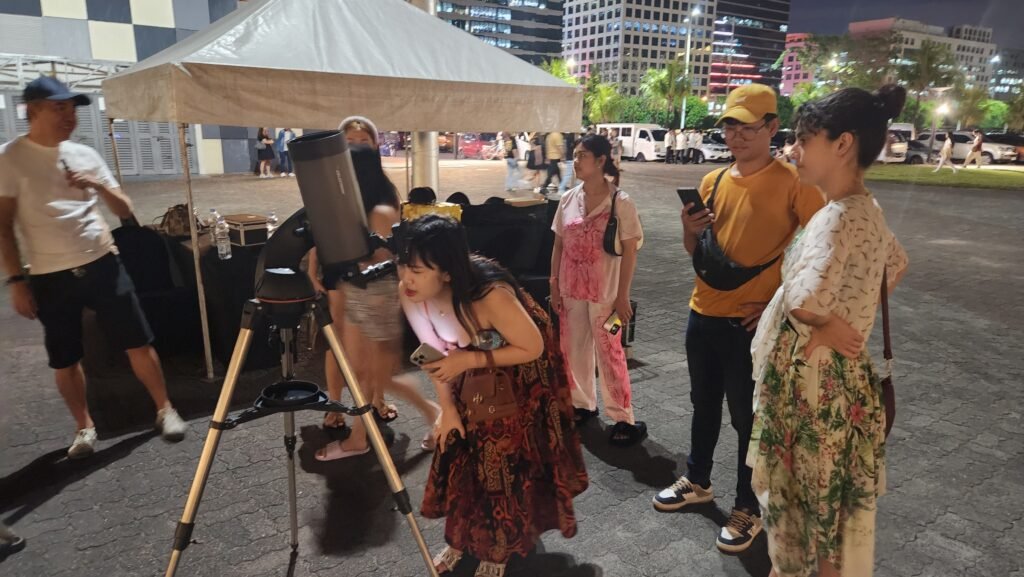
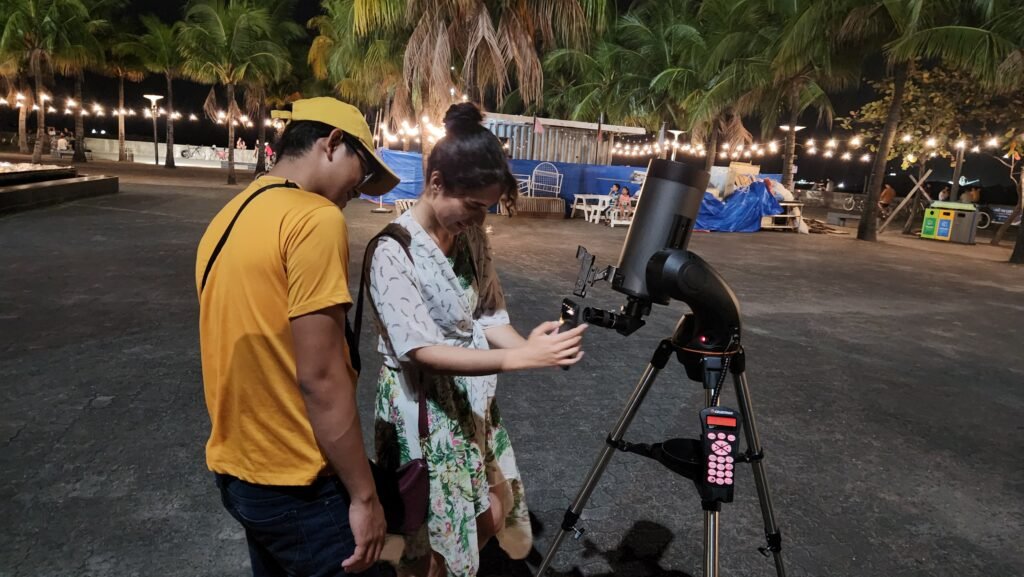
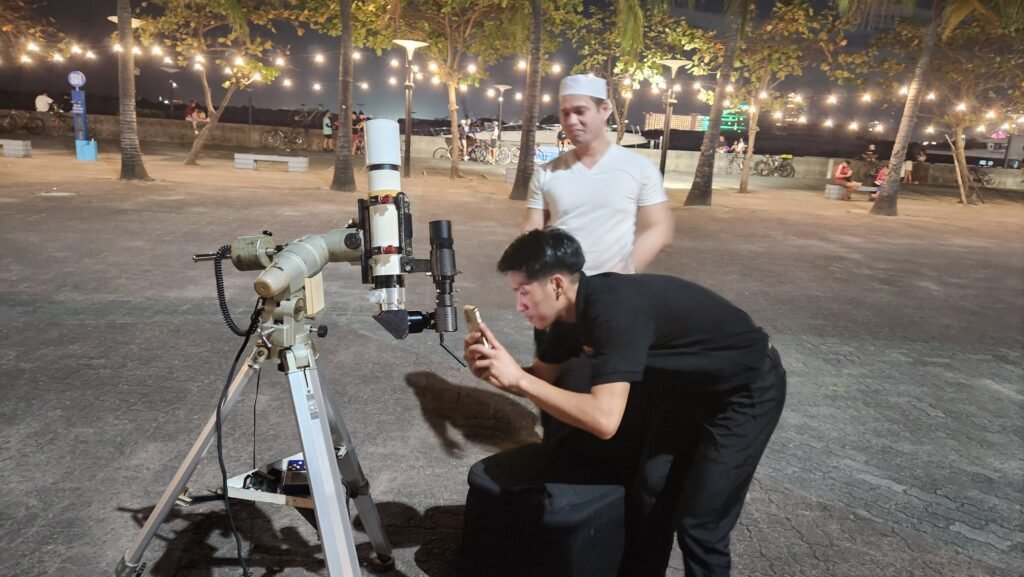
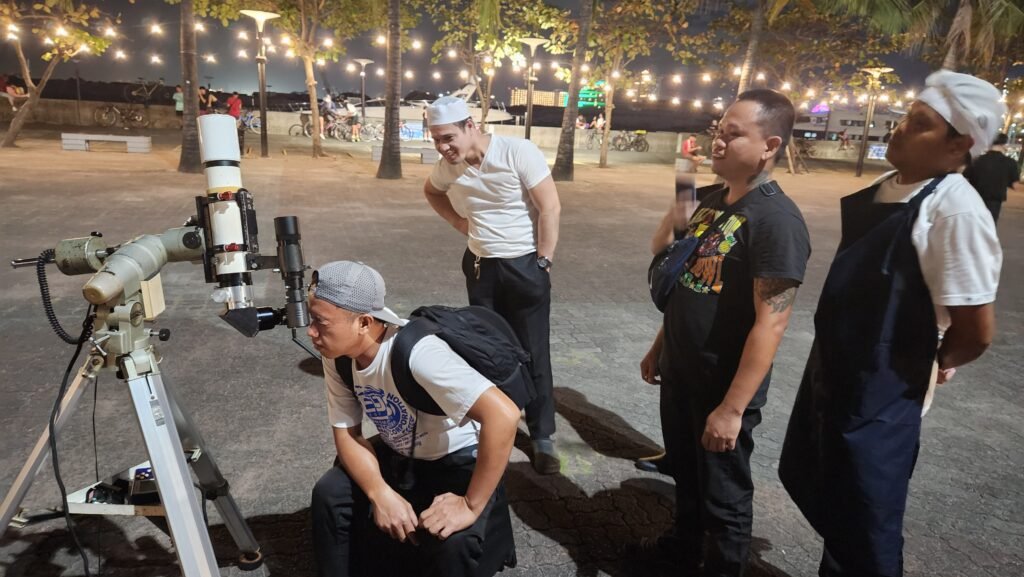
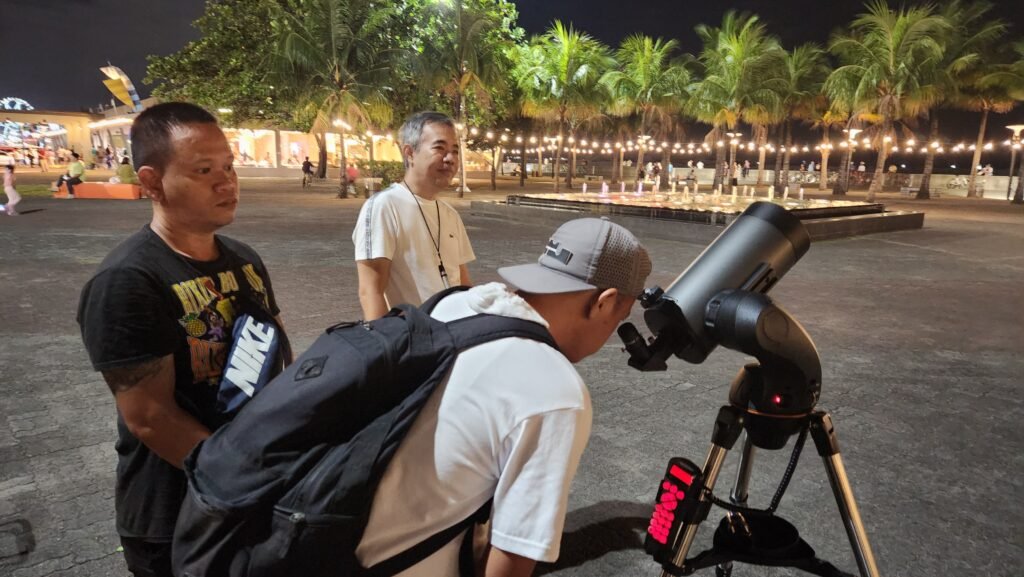
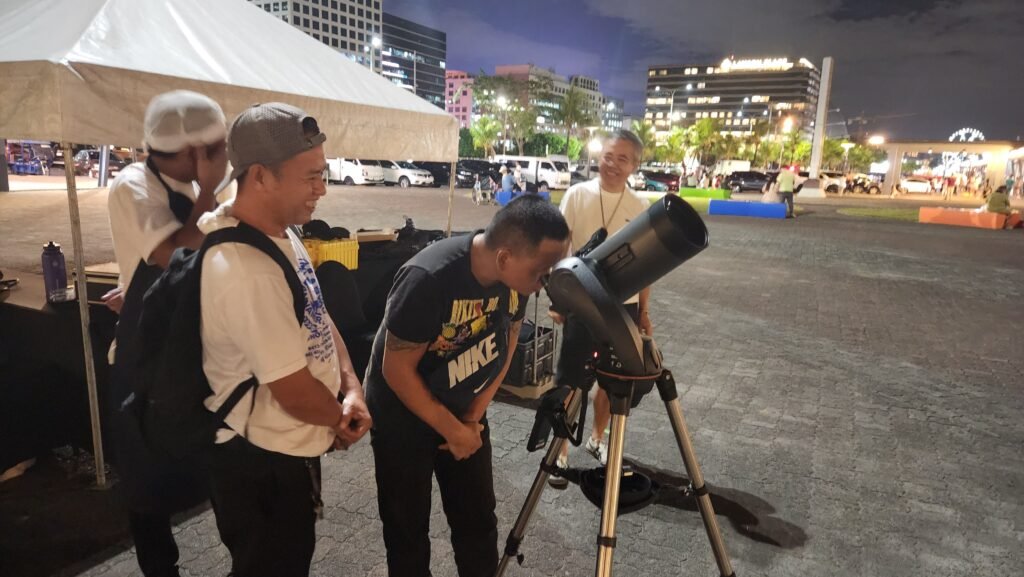
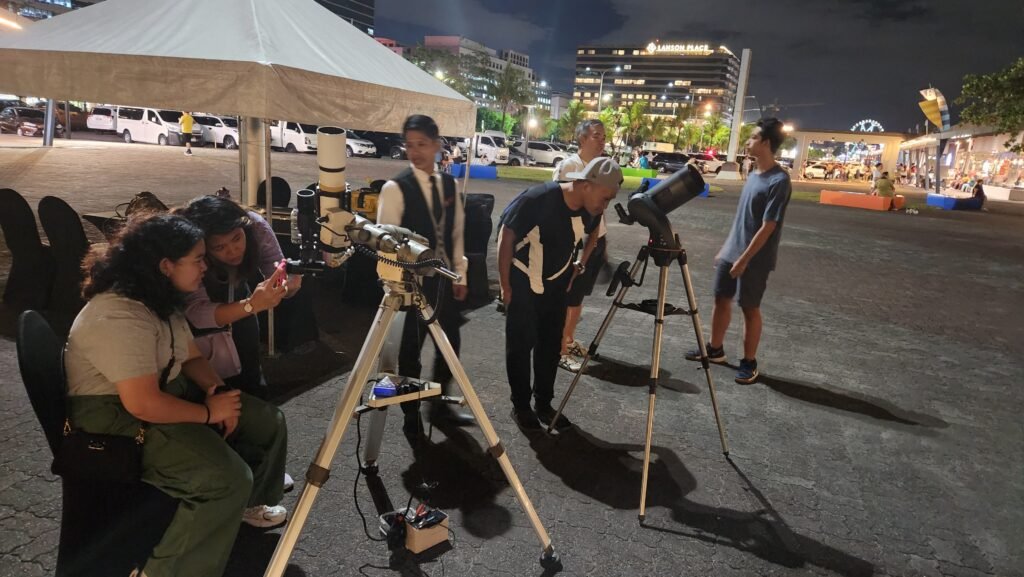
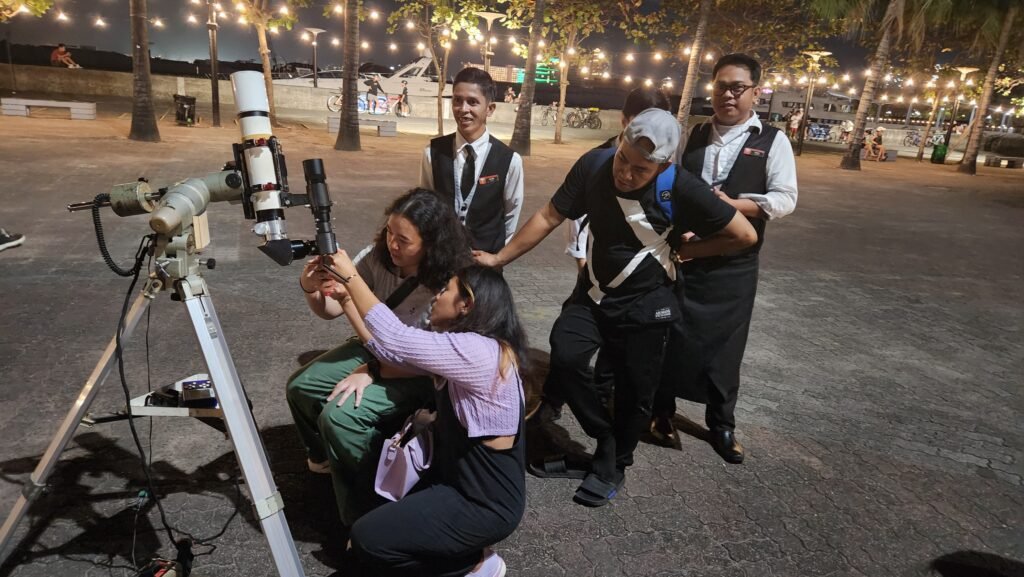
Last February 18, members of the Astronomical League of the Philippines (ALP) hosted a free telescope viewing event at SM Mall of Asia SMBY near Viking area. Members who attended were ALP President James Kevin Ty  and son Kendrick Cole KC Ty; Teddy-Ty Chua and son Robert Chua; Pam Sabado, Sarah Hazel Maranan, Miguel Cano and son Quark Cano. 2 scopes were setup for the event with James’ Borg 76ED refractor mounted on Vixen GPDX mount as well as a SVBONY WIFI SC311 camera mounted on Orion MiniGuide 50 scope and Teddy-Ty’s Celestron Nexstar 127.

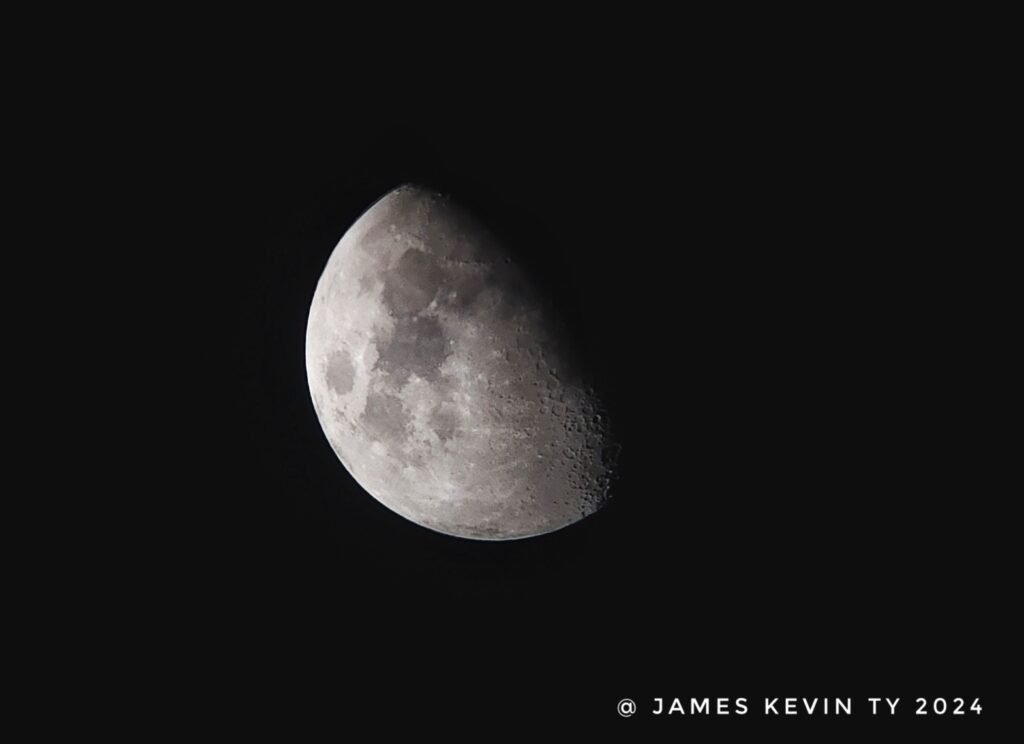
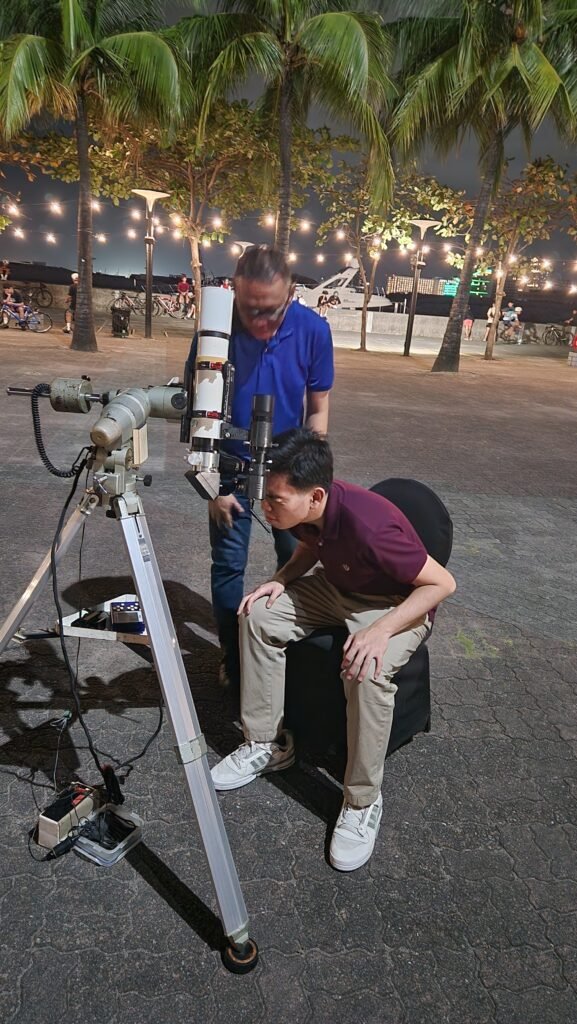
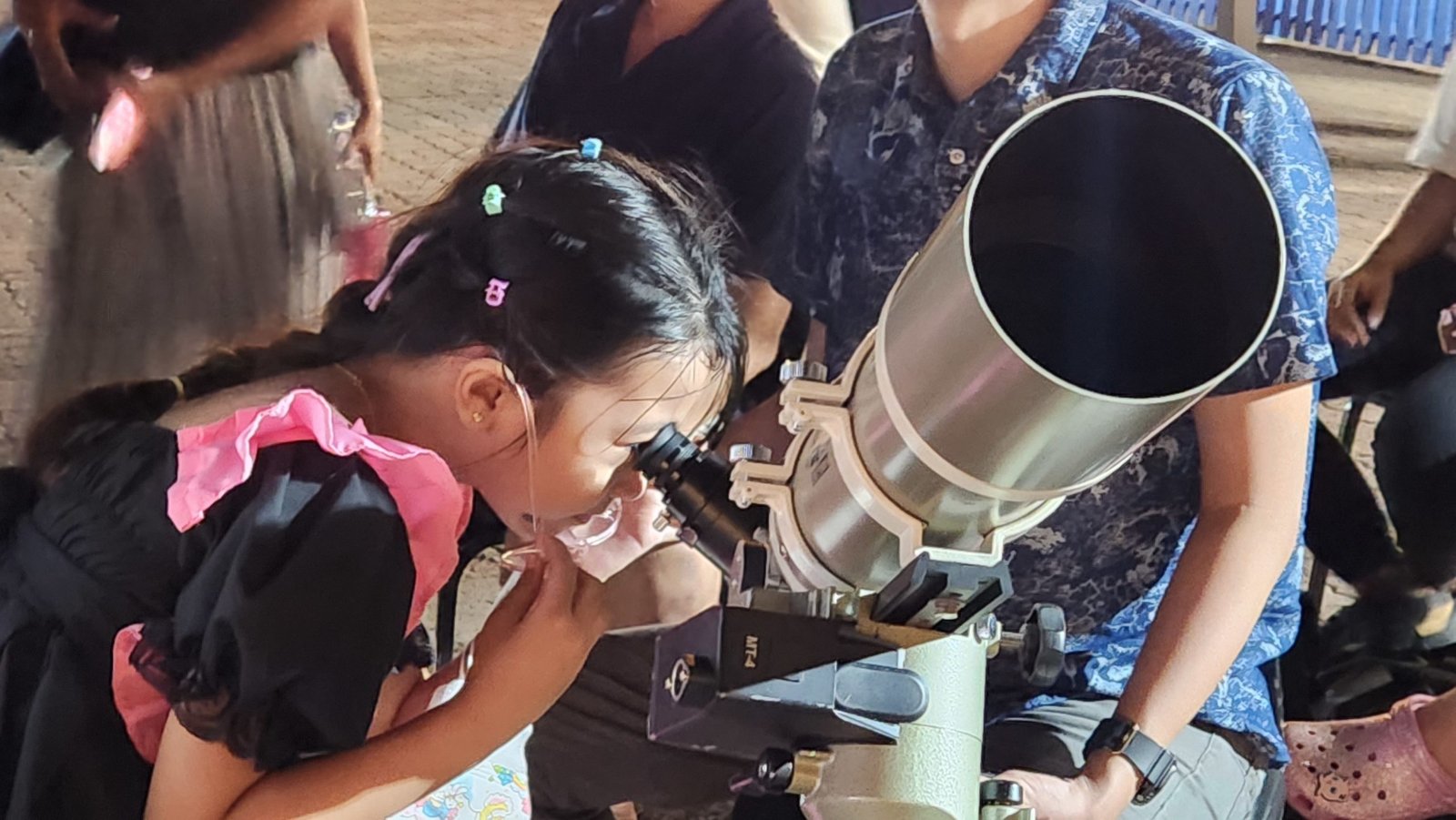
They setup at the site at around 4:00pm but the Sun was obstructed by the clouds so no solar observation. But at around 7:00pm, clouds started to disperse a bit for them to view the Waxing Gibbous Moon as well as the gas planet Jupiter. Around 50 people were able to get a chance to view the said objects. The SC311 WIFI camera also allows up to 4 more people to observe and image the Moon through their own cellphone to get a souvenir shot for them to take home easily. The camera also allows up to 5 people to simultaneously view the Moon at the same time!  They ended the event at around 9:00pm. It was a good start as ALP hasn’t been able to do their usual FTV for a while after the Covid epidemic that hit all of us back in 2020.

Hope to see all of you again this coming Saturday, February 24 from 3:30pm to 9:00pm at Central Park near fountain and ferris wheel area.
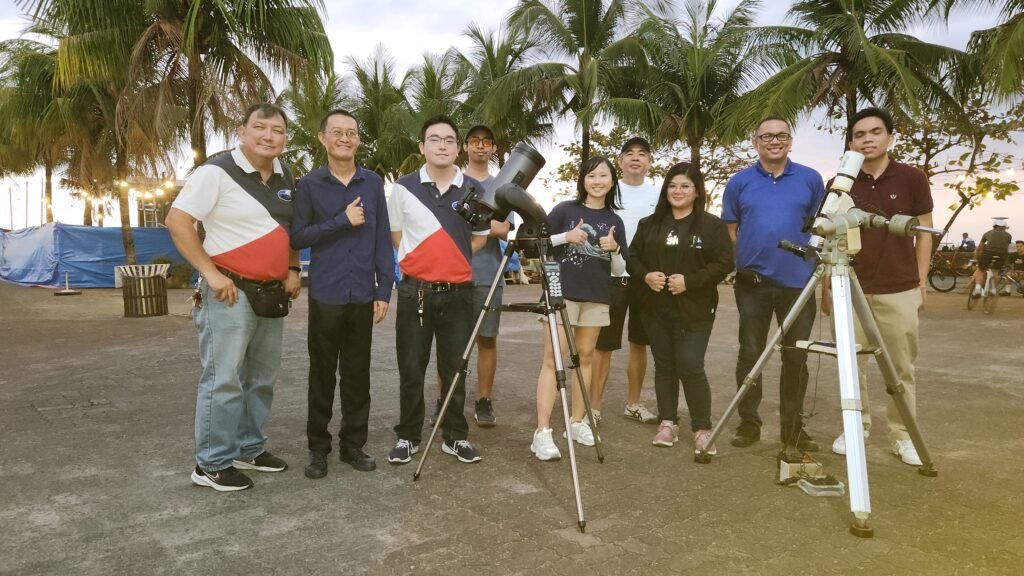
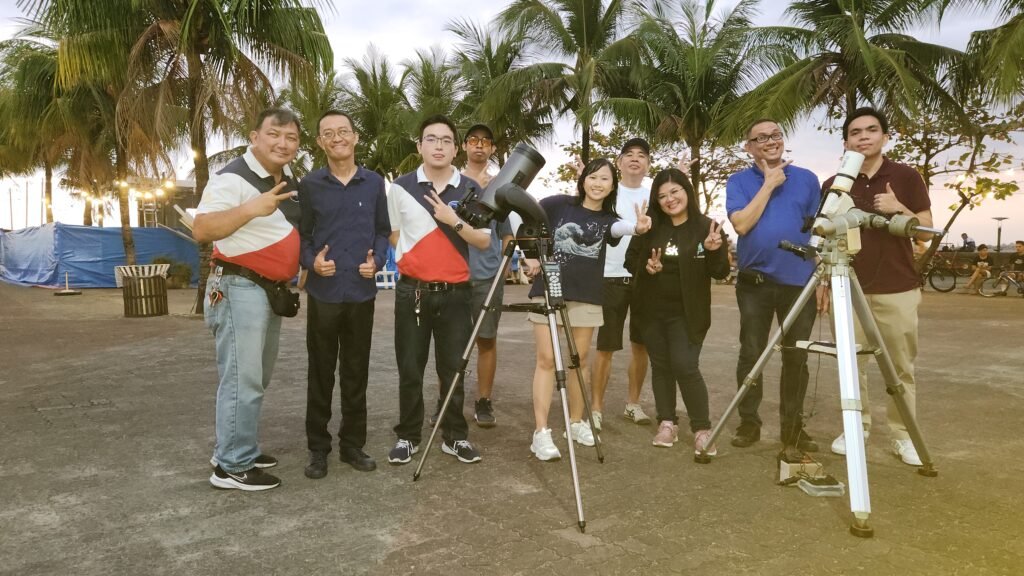


February 18 & 24, 2024 ALP National Astronomy Week Free Telescope Viewing at SM By the Bay

The Astronomical League of the Philippines, in celebration of annual National Astronomy Week 2024 will be providing 2 telescope viewing events on February 18 (Sunday) as well as February 24, 2024 (Saturday) at SM Mall of Asia’s SM By the Bay grounds near the fountain and ferris wheel area from 3:30pm to 9:00pm. Free solar viewing event from 3:30pm to 5:30pm which showcase our Earth’s closest star, the Sun, which can be viewed safely using our telescopes equipped with safe solar filters. Both white light and hydrogen-alpha wavelength can be viewed through our telescopes.

Nighttime viewing of the Moon , planet Jupiter and some bright deep sky objects such as M42 Orion Nebula, M45 Pleiades star cluster, bright star Sirius and many others will be observe (weather permitting of course.)


So what are you waiting for? Get a good chance to see them all for free! Invite your friends and family to attend the event! See you all there!


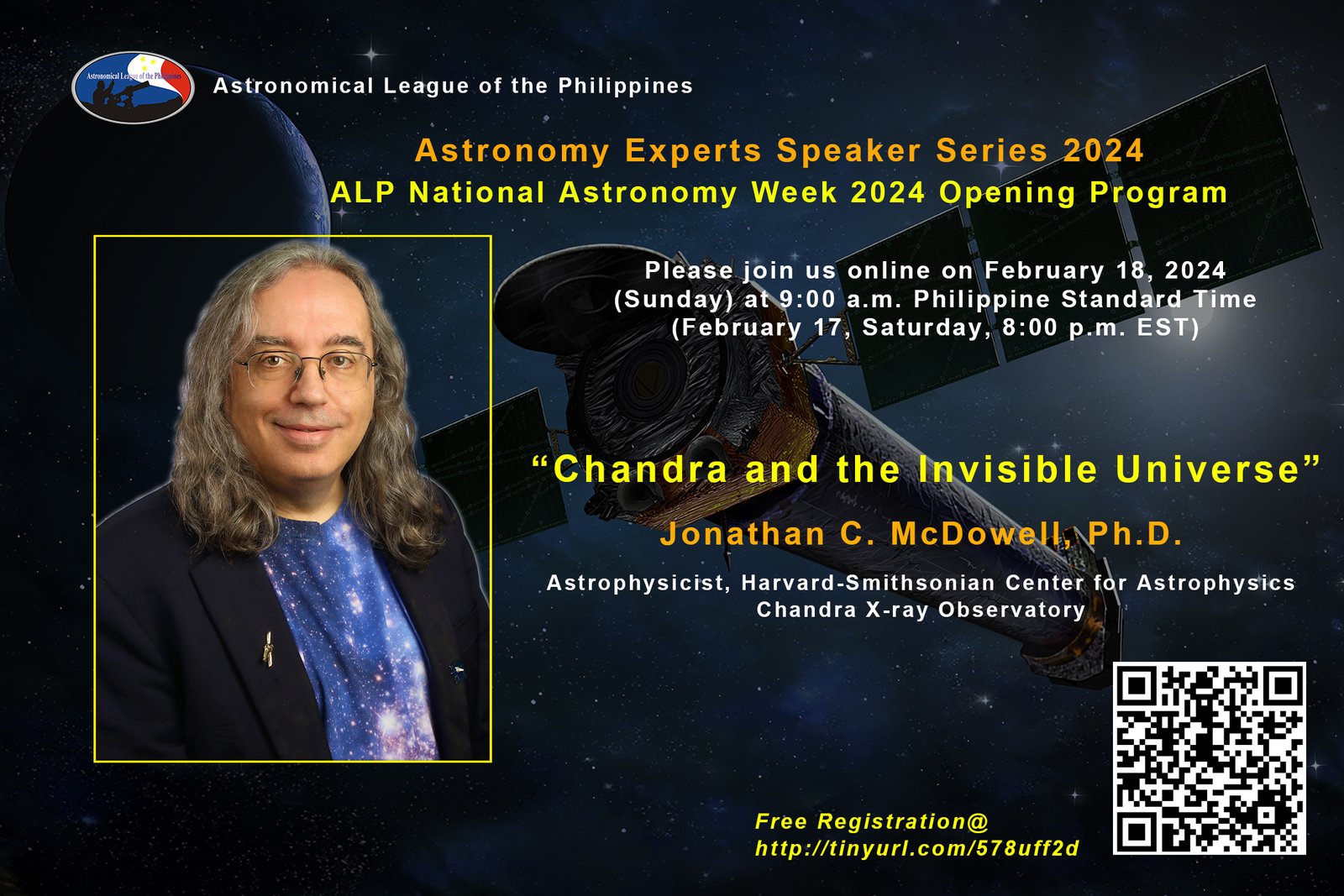
February 18, 2024 ALP Astronomy Experts Speaker Series 2024 featuring Dr. Jonathan C. Mc Dowell, PHD

“Chandra and the Invisible Universe”

18 February 2024 (Sunday) , 9:00 a.m. Philippine Standard Time (01:00 UTC), 17 February, 2024 8:00 pm EST

By Jonathan C. McDowell, PhD (Astrophysicist, Harvard-Smithsonian Center for Astrophysics, Chandra X-ray Observatory)

Abstract: The famous Hubble Space Telescope takes the sharpest visible-light images, but only its X-ray telescope cousins can see the invisible, high-energy light that helps complete the cosmic story. The sharpest X-ray pictures of the cosmos come from the Chandra X-ray Observatory, launched in 1999 but still making discoveries today. Chandra’s X-ray camera can see erupting black holes, exploding stars and colliding galaxies — some of the most energetic events in space.

Jonathan McDowell will highlight Chandra’s discoveries and explain how it and other X-ray telescopes probe cosmic dramas, while infrared images unveil the cool, gentle process of star birth, and pictures taken with ordinary visible light give an overview of the everyday life of the galaxies. Combining all three views has been crucial to the astonishing discoveries astronomers have made in recent decades.

Jonathan McDowell is an astrophysicist at the Harvard-Smithsonian Center for Astrophysics (CfA) in Cambridge, Massachusetts, and a member of the Chandra X-Ray Center, which operates the Chandra X-ray Observatory spacecraft.

McDowell obtained his Ph.D. from the University of Cambridge, England, in 1987. After postdoctoral research at Jodrell Bank radio observatory in the U.K. and NASA’s Marshall Space Flight Center in Huntsville, Alabama, he has been at CfA since 1992.

McDowell studies quasars, galaxies and black holes as well as the effects of satellite constellations on astronomy. He is also the author of the internet newsletter Jonathan’s Space Report, which has been reporting on satellite and rocket launches since 1989.

In 1993, the International Astronomical Union named asteroid 1933 OB as 4589 McDowell in his honor.