July 7, 2009 Weak Penumbral
Lunar Eclipse
There will be a "weak" penumbral lunar eclipse that
will be happening on early evening of July 7, 2009 but unfortunately, the possibility of observing this event for
any shadings seems hopeless as there will only be a 16% shadings during
maximum penumbral phase which will happen at around 5:38pm Philippine
Standard Time (PST) with the Moon still below horizon. The Moon will
just rise at around 6:32pm :( The "light" penumbral shading will
end at around 6:39pm.
Philippine Journal of
Astronomy
June 2009 Issue

The June 2009 issue
of the Philippine Journal of Astronomy is already out. For ALP members,
please download your copy at the
Member's Section.
ALP Stargazing Session
at PAGASA Observatory

Members of the
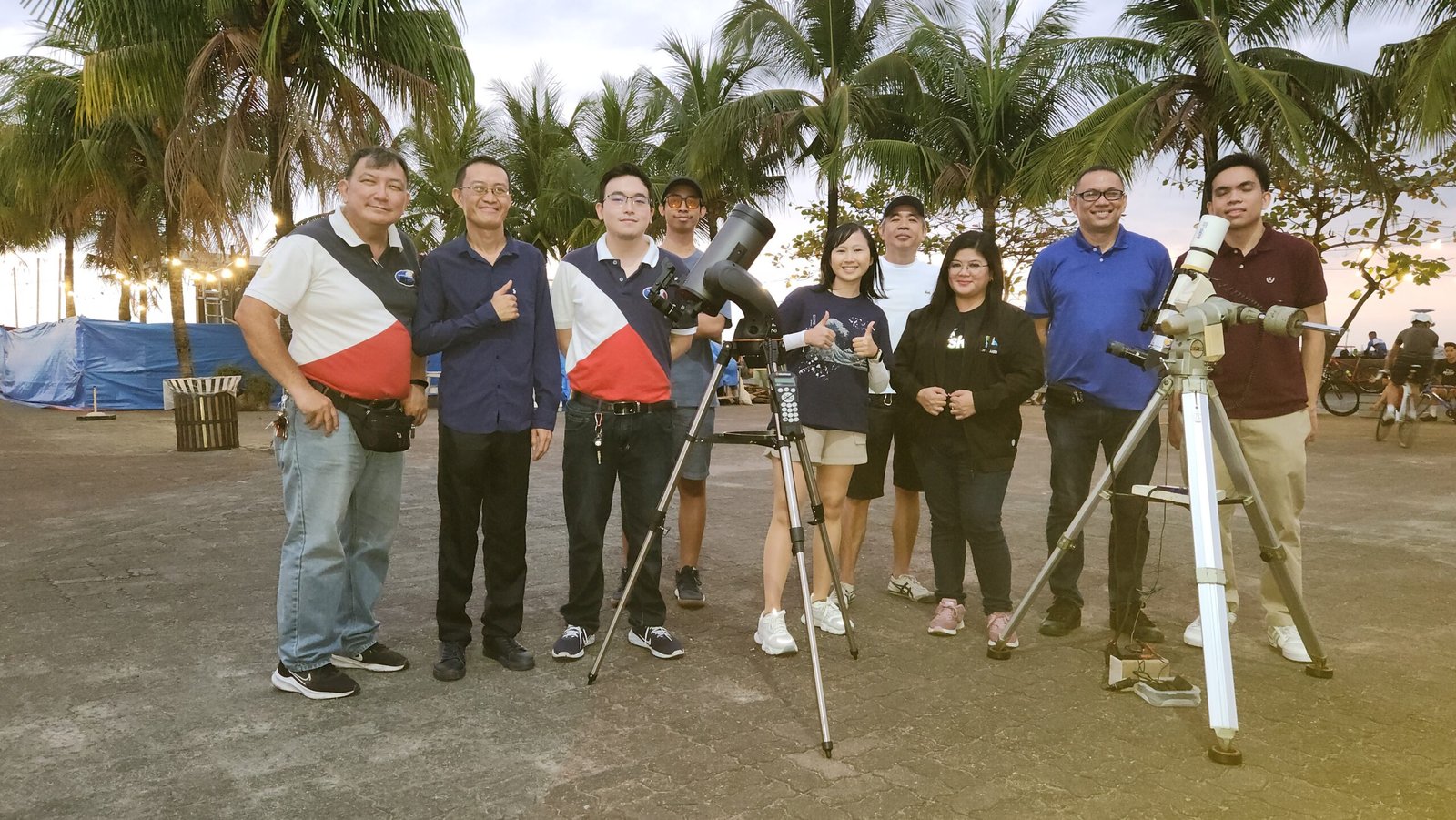
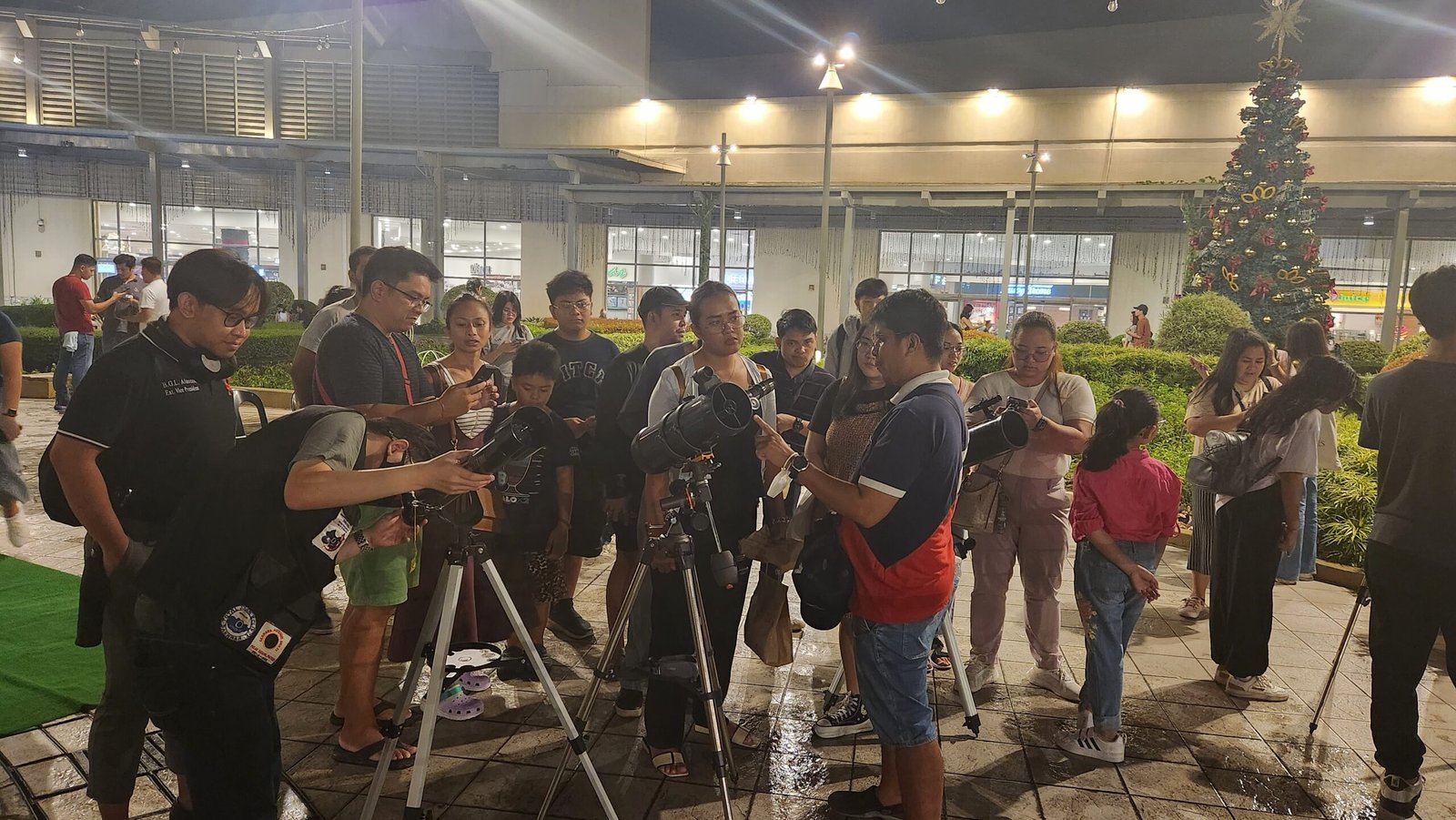
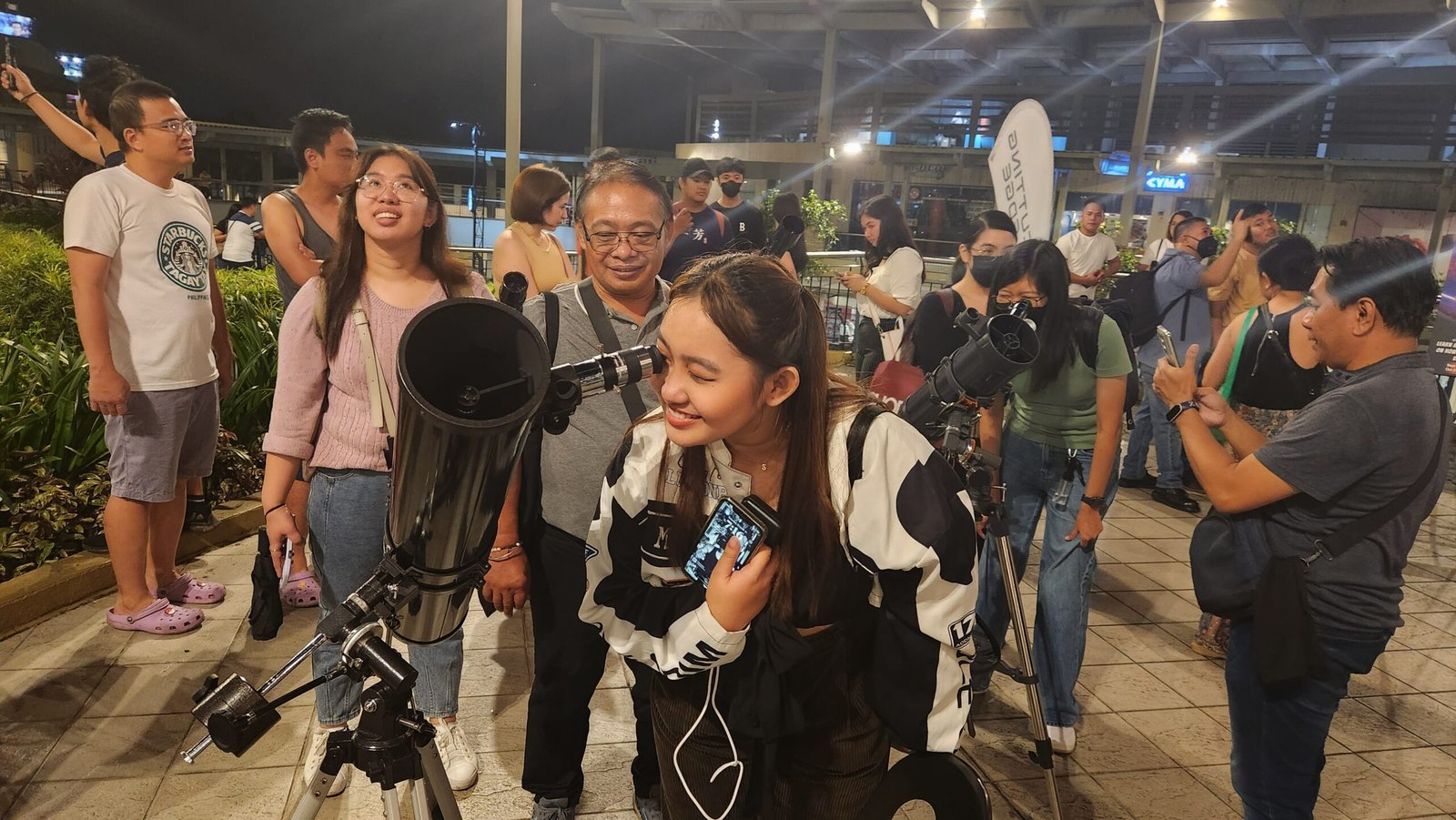
Astronomical League of the Philippines had an urban stargazing session last
May 23 at the roof deck of PAGASA Observatory. For full report, click
here.
ALP MONTHLY MEETING REPORT

The
ALP held its Monthly Meeting last June 7, 2009 at Manila Planetarium. For
details, click
here.
Do you want to be a
Professional Astronomer?

The 200-inch telescope at Palomar Observatory.
Professional astronomers use optical telescopes, such as the one
featured on top - the Palomar Observatory - and other types of telescopes to
study the cosmos and our place in the universe.
Image credit:
Palomar Observatory
Here's how you can become a professional in astronomy:
- Pay close attention to your instructor during classes in mathematics
and the sciences. These two are crucial tools in the field of astronomy.
- Find a university where you can earn a bachelor's degree in
astronomy or related field. In the Philippines, only the
Rizal
Technological University (RTU) offers a baccalaureate program in astronomy.
There are also academic institutions that offer degree in Physics, which
is closely related to astronomy. Notable would be the
National Institute of Physics
(NIP) of the University of the Philippines in Diliman (UPD).
- Pursue graduate studies. The RTU offers a Graduate Diploma in
Astronomy and the Master of Science in Astronomy. NIP-UPD
offers Master's and PhD programs in Physics.
- Engage in research and/or education in the field of astronomy or
space science.
- Join a scientific organization for professional astronomers. In the
Philippines, the Astronomical League of the Philippines serves as
the
venue for this scientific community. Although majority of membership to
the ALP is composed of non-academically prepared astronomers, the
society welcomes professional astronomers among its rank since it
recognizes the collaborative role of professional and nonprofessional
astronomers in the development of astronomy and space sciences.
Call for Papers: Philippine Journal of
Astronomy

The Philippine Journal of Astronomy is now
accepting papers for publication. The PJA is the first such journal in the
country that publishes technical and general articles in astronomy.
For details, please visit
Philippine Journal of
Astronomy
RTU Astronomy Course
Offerings
First Semester, SY 2009 - 2010

Enrollment for all programs for the first semester
is on-going. Some freshmen students have already enrolled in the BS in Astronomy Technology
program.
Processing for the graduate programs have started.
Graduate courses offered are AST 204 (A Survey of Principles Concerning
Stars), AST 205 (Seminar on Galaxies), and AST 207 (Basic Principles on the
Solar System). All graduate courses starting this Summer will be credited to the Graduate Diploma in Astronomy, a 24-unit program. Should the student decide to continue with the MS in Astronomy program, all the 24 units will be credited. The 24-unit program can be finished in 3 semesters.
For additional information, please e-mail the head of RTU Department of
Astronomy,
Dr.
Jesus Rodrigo Torres.
Webmaster -
Jonathan Ty
Web Content Editor -
James Kevin Ty |
Kevin's Astro Photo Gallery |
Kevin's Astro
Blog Page
Car Insurance Comparison |
Electronic Parts |
Facebook Proxy |
Tech Blog
|